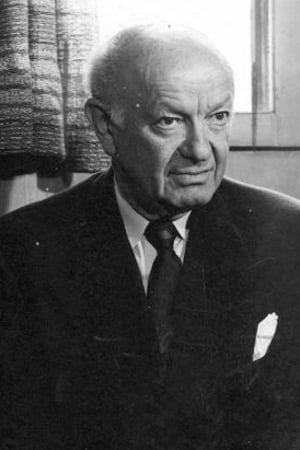
Tenen Holtz
Elihu "Elye" Tenenholtz was born in the Russian hamlet of Azran, near the city of Rovne, in 1887 and came to the US at the age of ten. His first appearance in amateur Yiddish theatricals occurred in 1903, in staged readings of the works of Yiddish author Sholom Aleichem, the first person to do that. He augmented his theater appearances by writing for and editing a Yiddish satirical magazine under the pen-name "Moishe McCarthy". In 1916 he made the leap to the professional Yiddish stage and, befriended by the great doyenne Bessie Thomashevsky, helped her pen her memoirs, the first publication documenting a Yiddish actor's life. By 1920 he was appearing on both the Yiddish art stage with Maurice Schwartz and on Broadway, quickly rising to the top leadership of the Hebrew Actors' Union, the first arts union in America. In 1925 he co-founded a theater company with Celia Adler, half-sister of Luther Adler and "Method" teacher Stella Adler. In 1926 he was summoned to Hollywood and given a five-year contract at MGM. Like most Jewish actors, when he arrived in Hollywood he changed his name (choosing to bifurcate it into "Tenen Holtz"). During that time he regularly appeared in films alongside such stars as Greta Garbo, Norma Shearer, Joan Crawford, Jean Harlow and Marion Davies and under directors like King Vidor and Victor Fleming. This period would prove to be Tenenholtz's most prolific and would account for the majority of the 50+ films in which he would appear. While in Hollywood he helped jump start its fledgling Yiddish theater, founding a popular Yiddish theater company that included other transplanted Yiddish actors including Muni Weisenfreund (aka Paul Muni, father and son Rudolph Schildkraut and Joseph Schildkraut. When his contract at MGM ended, he moved over to Warner Brothers where he made films with Leslie Howard under the direction of Michael Curtiz. By the late 1930s the only calls he got were from Poverty Row studios, so Tenenholtz moved to nearby Monrovia and opened a chicken ranch. Though he would occasionally go back in front of the camera, he retired from film. By the time TV emerged, he landed a few roles on shows such as Perry Mason (1957) and Alfred Hitchcock Presents (1955). He died in 1971.
Known for (49 titles)
 movie
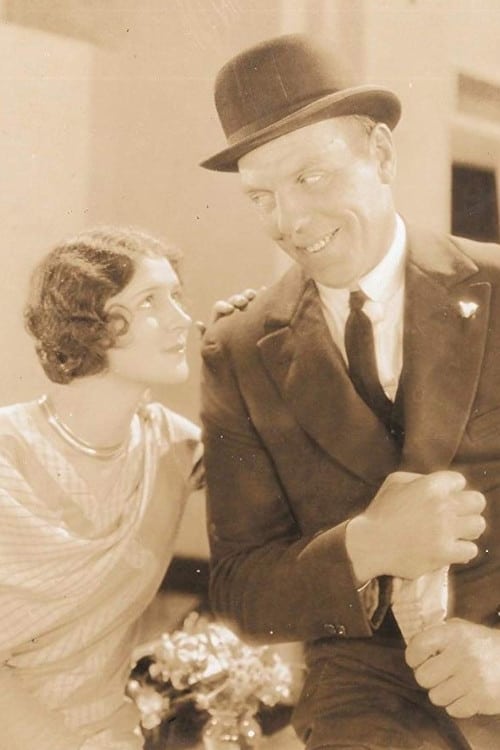
movieDetectives
1928 · ★ 10.0
 movie
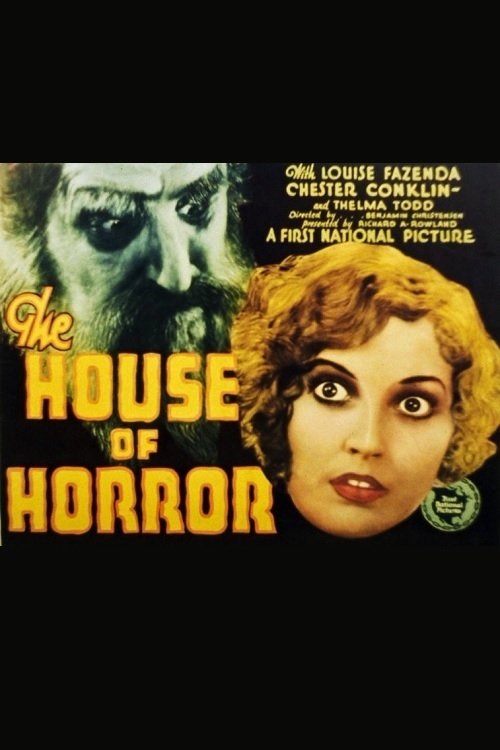
movieHouse of Horror
1929 · ★ 10.0
 movie
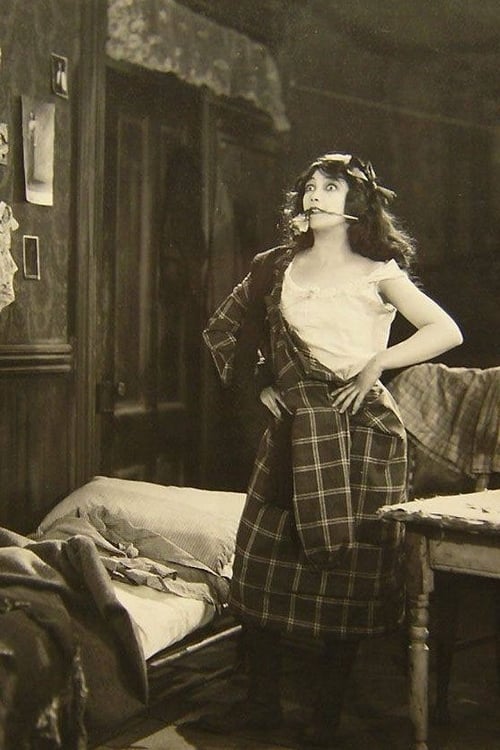
movieSalome of the Tenements
1925 · ★ 10.0
 movie
movieThe Demi-Bride
1927 · ★ 8.0
 movie
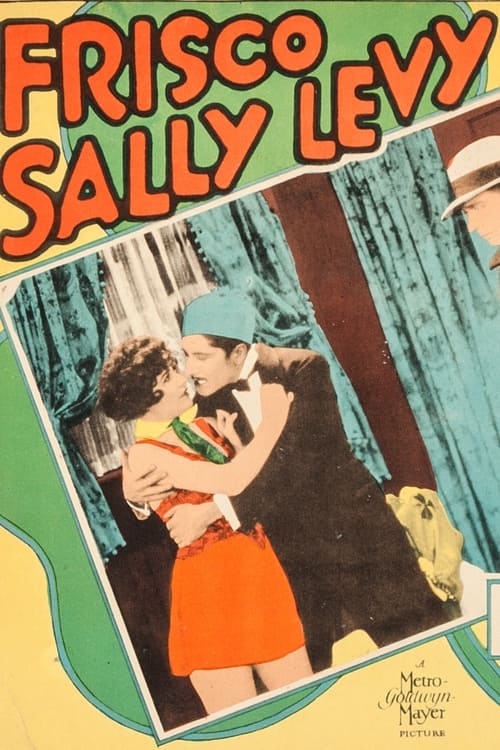
movieFrisco Sally Levy
1927 · ★ 8.0
 movie
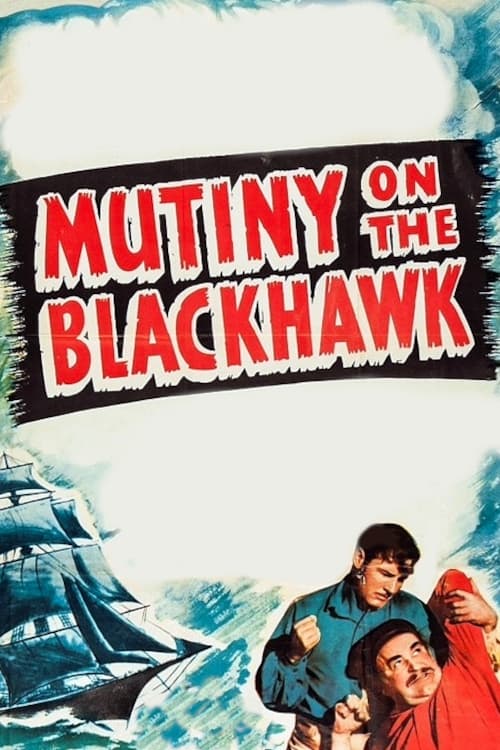
movieMutiny on the Blackhawk
1939 · ★ 8.0
 movie
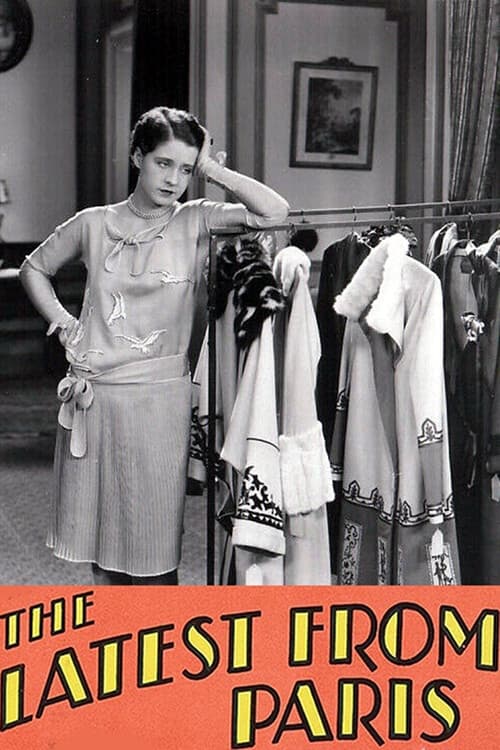
movieThe Latest from Paris
1928 · ★ 8.0
 movie
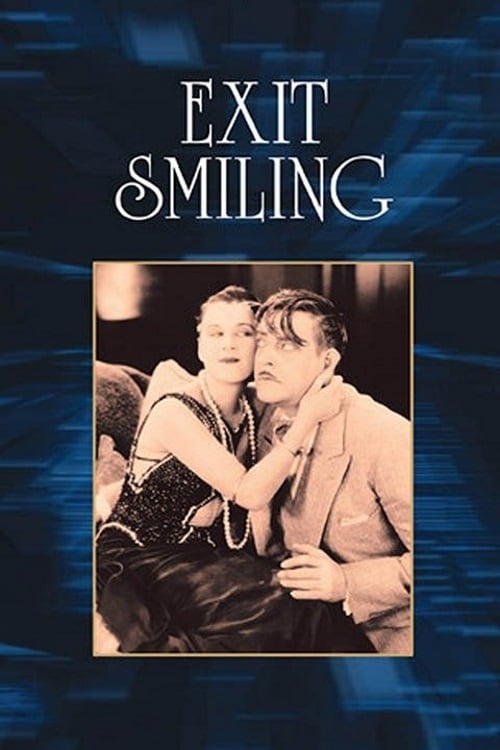
movieExit Smiling
1926 · ★ 7.9
 tv
tvAlfred Hitchcock Presents
1955 · ★ 7.8
 movie
movieCock of the Air
1932 · ★ 7.7
 tv
tvPerry Mason
1957 · ★ 7.7
 movie
movieUpstage
1926 · ★ 7.3
 movie
movieDevotion
1931 · ★ 7.2
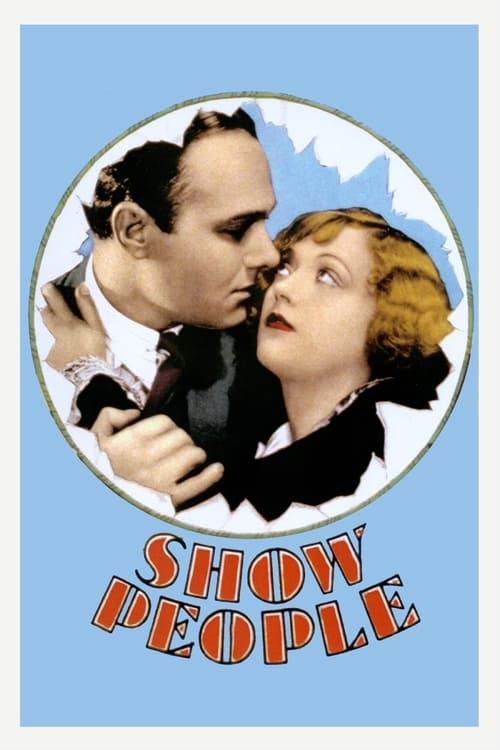 movie
movieShow People
1928 · ★ 7.1
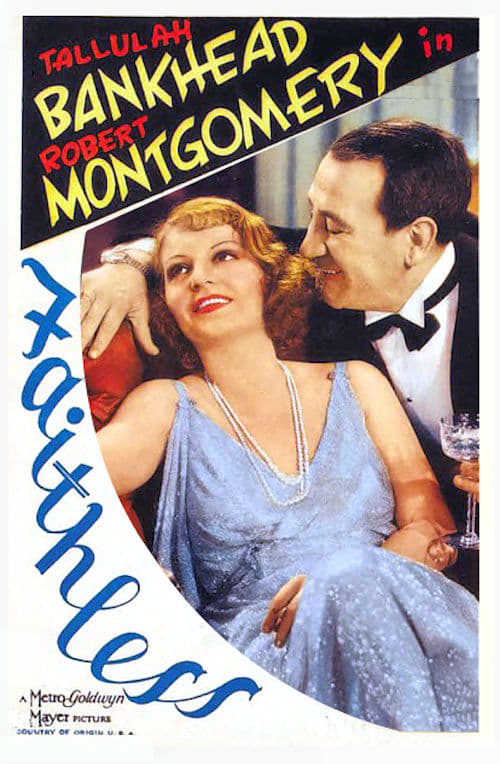 movie
movieFaithless
1932 · ★ 7.0
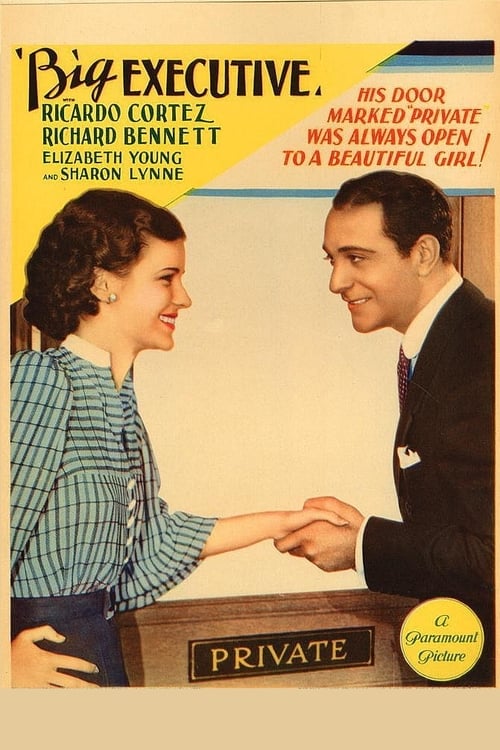 movie
movieBig Executive
1933 · ★ 7.0
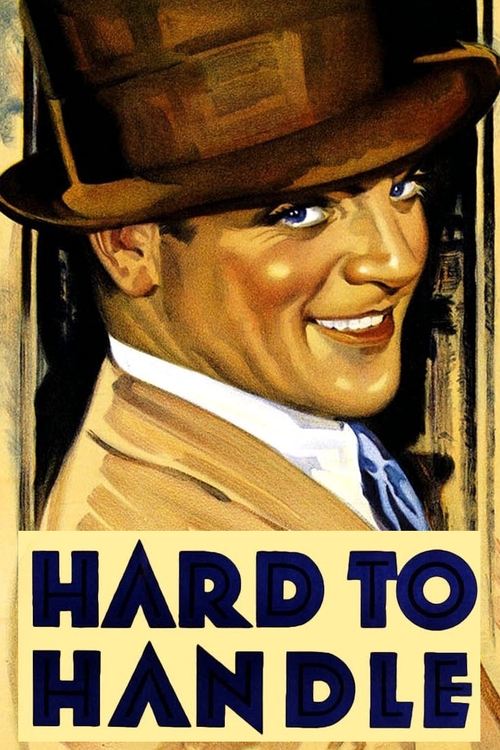 movie
movieHard to Handle
1933 · ★ 6.9
 movie
movieLet Freedom Ring
1939 · ★ 6.8
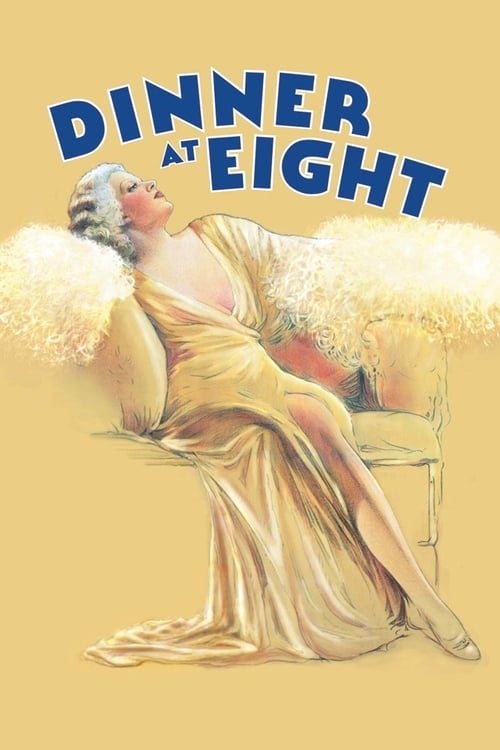 movie
movieDinner at Eight
1933 · ★ 6.8
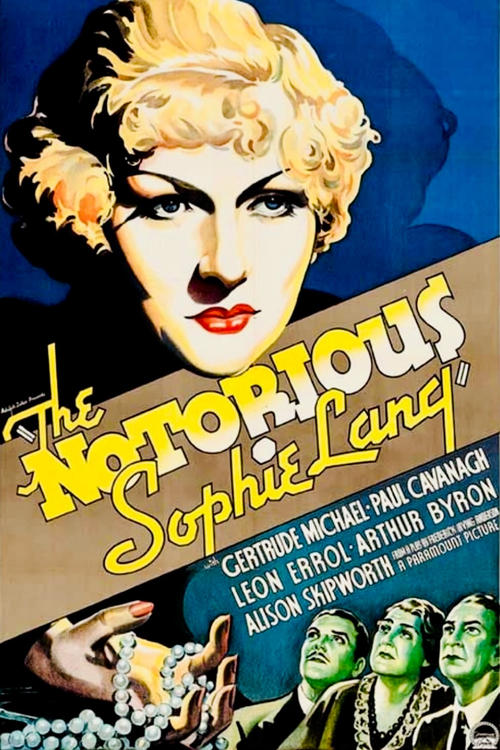 movie
movieThe Notorious Sophie Lang
1934 · ★ 6.7
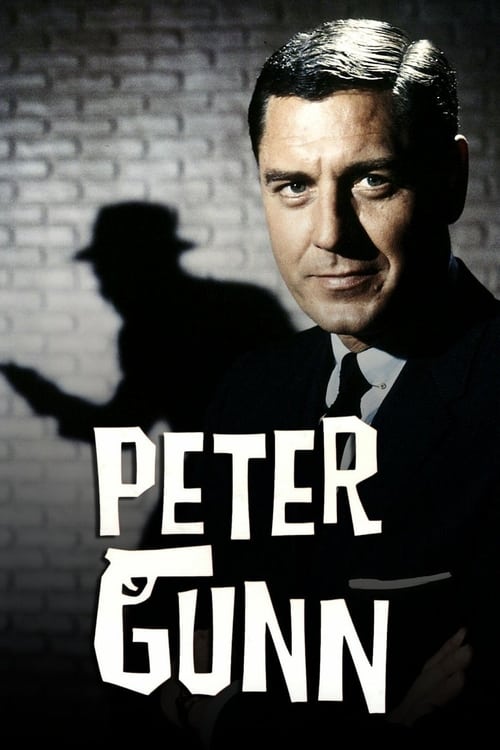 tv
tvPeter Gunn
1958 · ★ 6.6
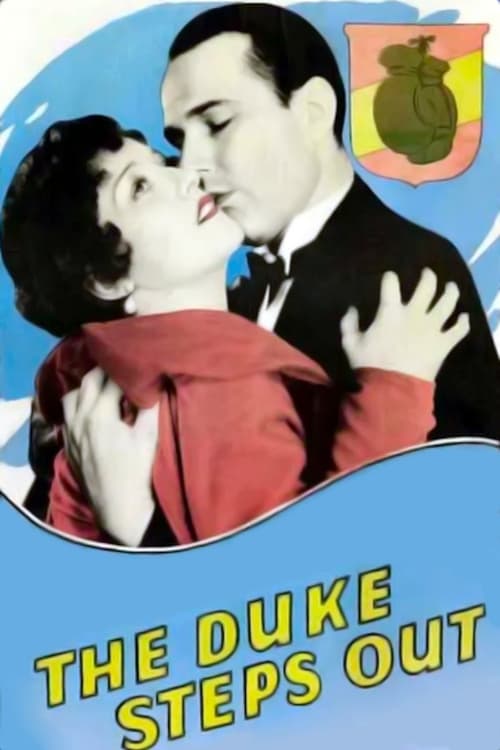 movie
movieThe Duke Steps Out
1929 · ★ 6.5
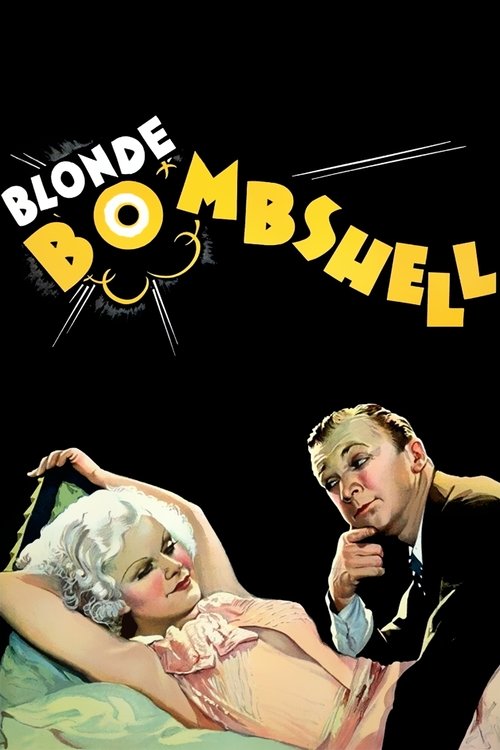 movie
movieBombshell
1933 · ★ 6.5
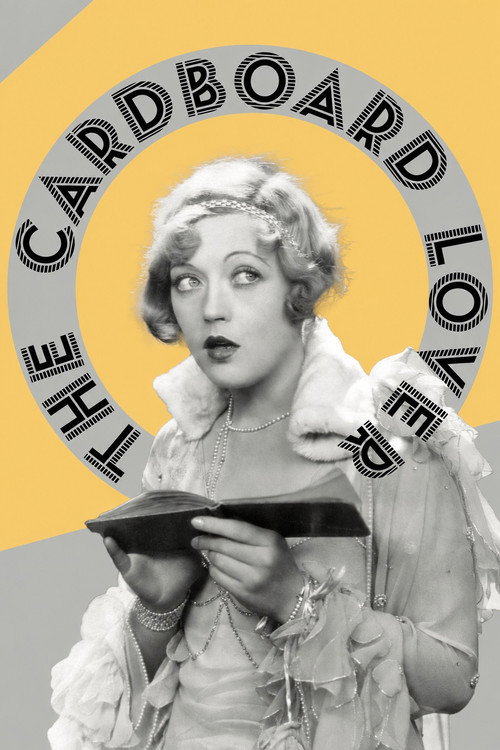 movie
movieThe Cardboard Lover
1928 · ★ 6.4
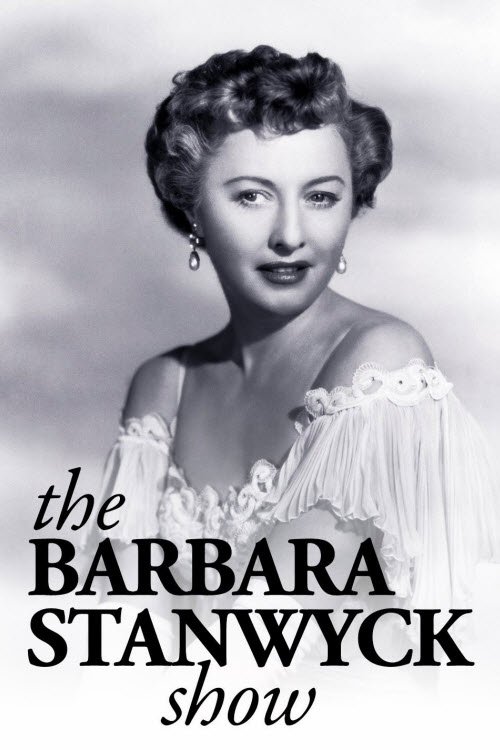 tv
tvThe Barbara Stanwyck Show
1960 · ★ 6.4
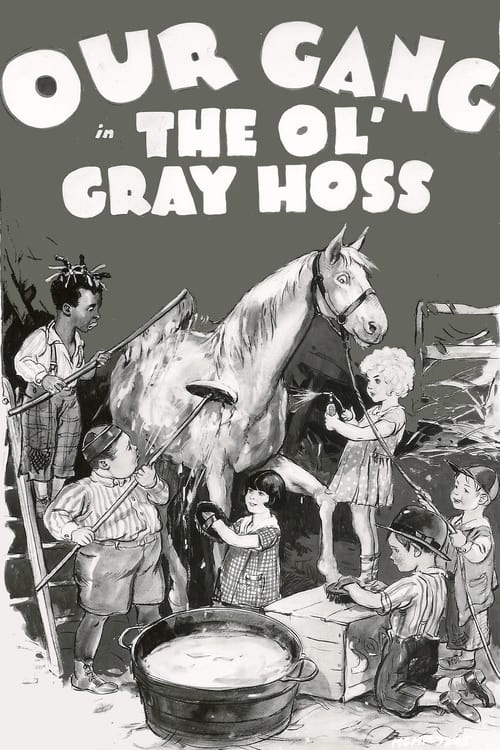 movie
movieThe Ol' Gray Hoss
1928 · ★ 6.3
 movie
movieNothing Sacred
1937 · ★ 6.3
 movie
movieHenry Goes Arizona
1939 · ★ 6.2
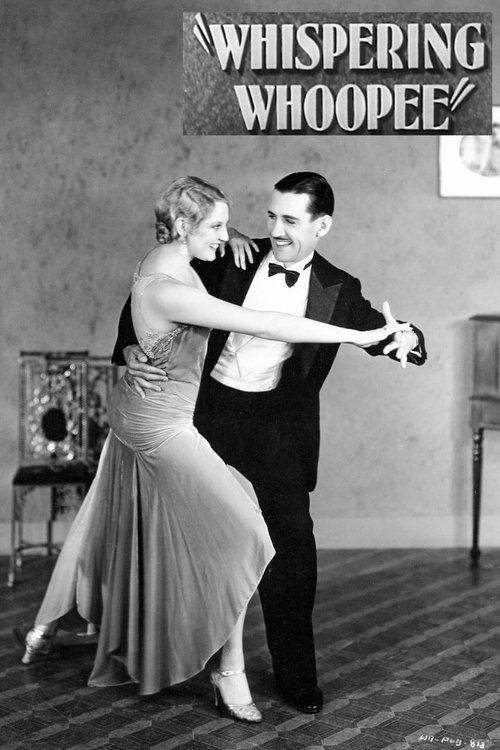 movie
movieWhispering Whoopee
1930 · ★ 6.2
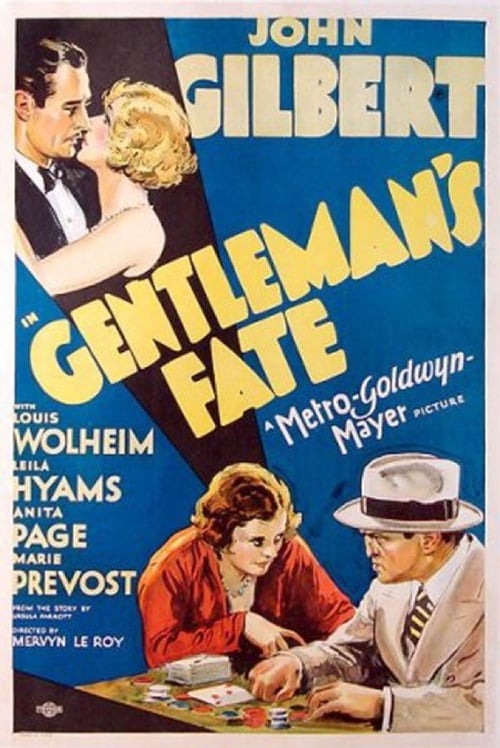 movie
movieGentleman's Fate
1931 · ★ 6.1
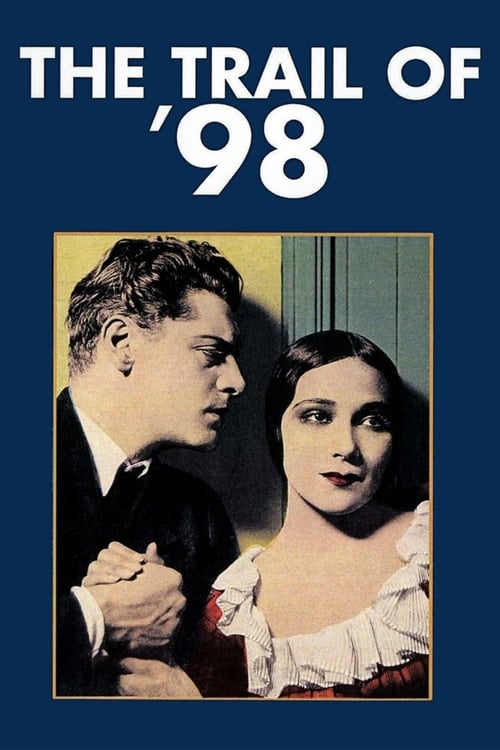 movie
movieThe Trail of '98
1928 · ★ 6.1
 movie
movieWhistling in the Dark
1933 · ★ 6.0
 movie
movieThe Garden of Eden
1928 · ★ 5.9
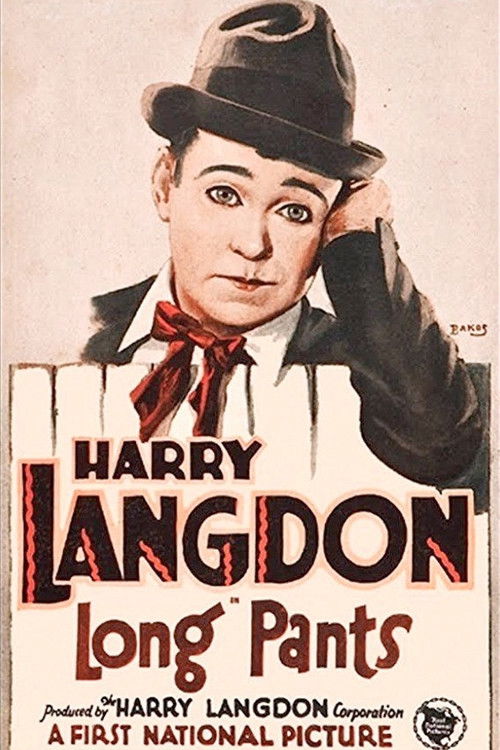 movie
movieLong Pants
1927 · ★ 5.9
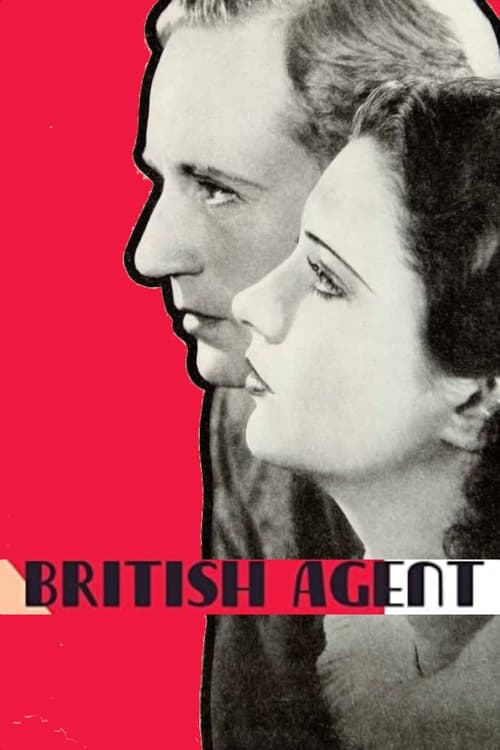 movie
movieBritish Agent
1934 · ★ 5.8
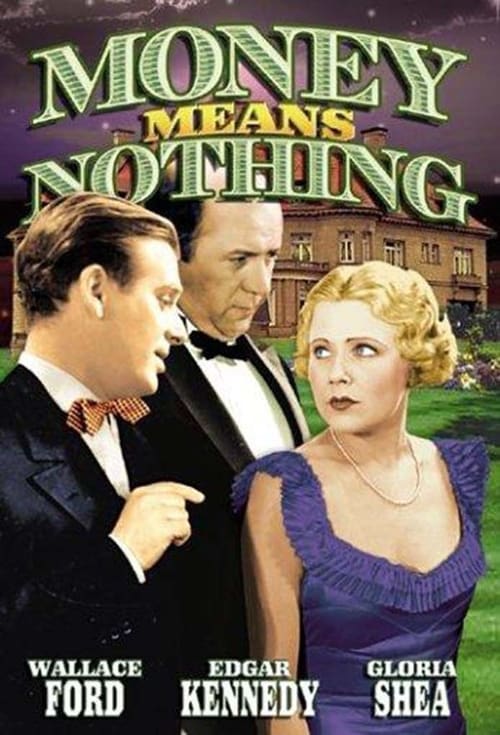 movie
movieMoney Means Nothing
1934 · ★ 5.8
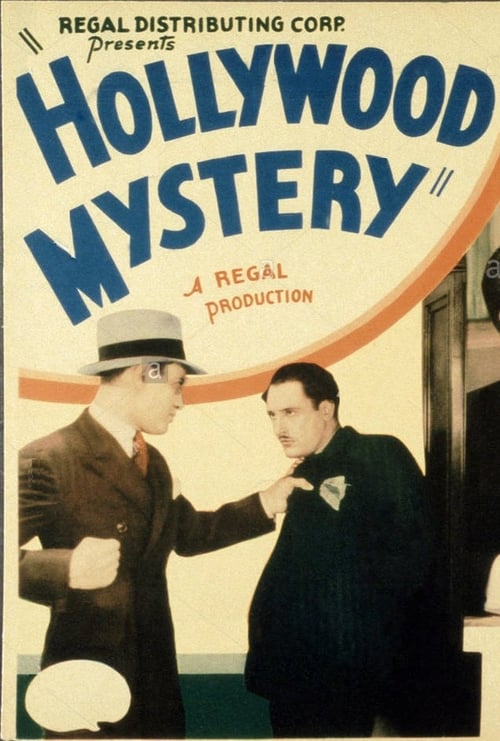 movie
movieHollywood Mystery
1934 · ★ 5.8
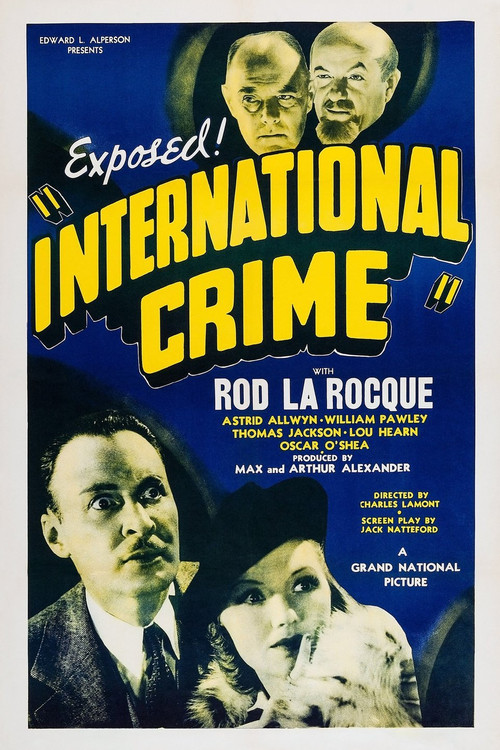 movie
movieInternational Crime
1938 · ★ 5.5
 movie
movieThe Chief
1933 · ★ 5.5
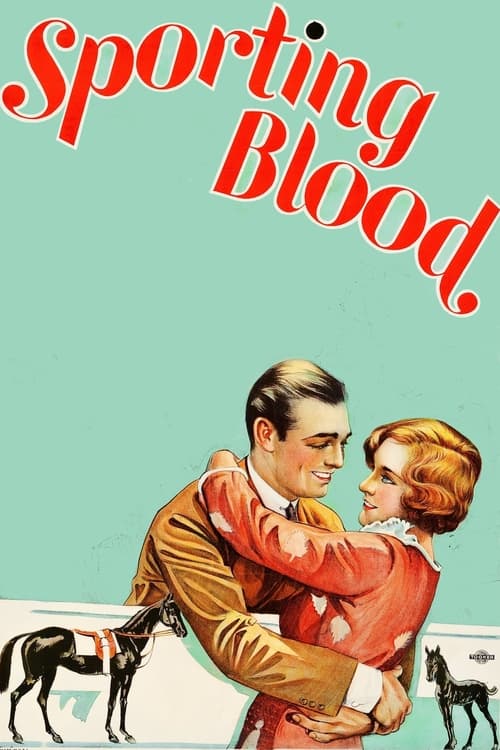 movie
movieSporting Blood
1931 · ★ 5.4
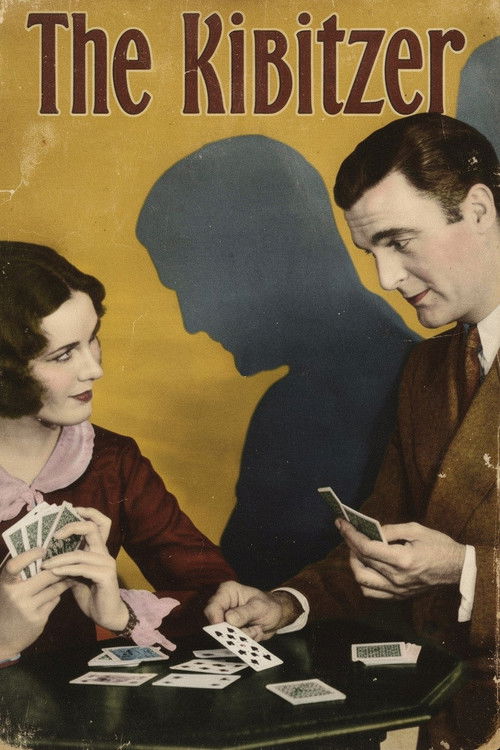 movie
movieThe Kibitzer
1930 · ★ 5.4
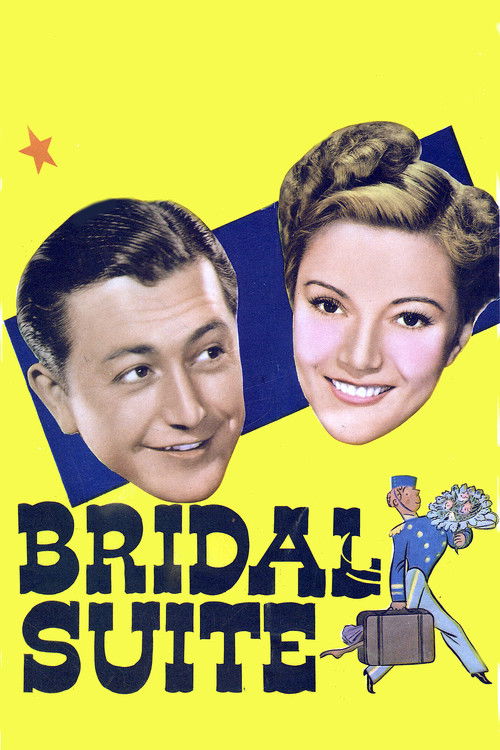 movie
movieBridal Suite
1939 · ★ 5.4
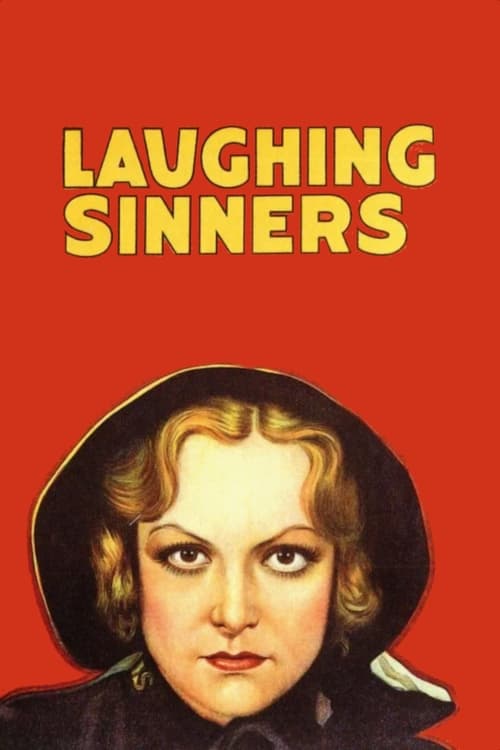 movie
movieLaughing Sinners
1931 · ★ 5.3
 movie
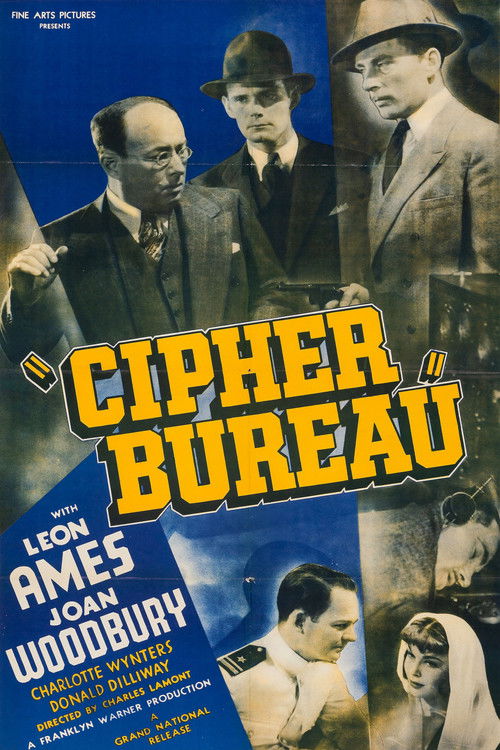
movieCipher Bureau
1938 · ★ 5.3
 movie
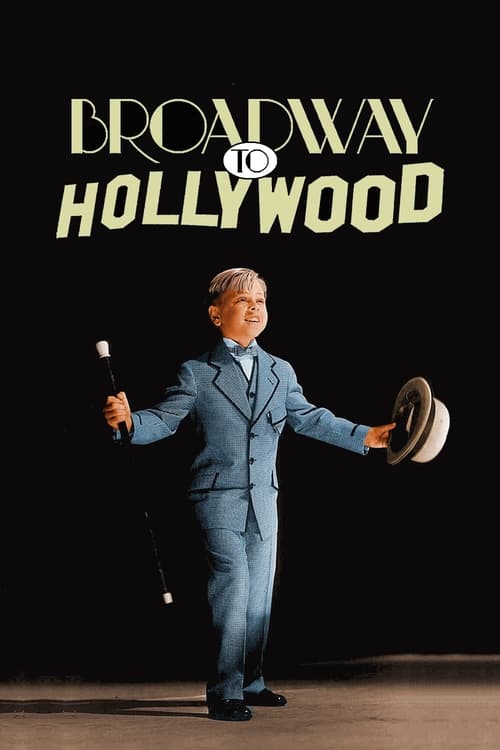
movieBroadway to Hollywood
1933 · ★ 5.0
 movie
movieBringing Up Father
1928 · ★ 5.0
 movie
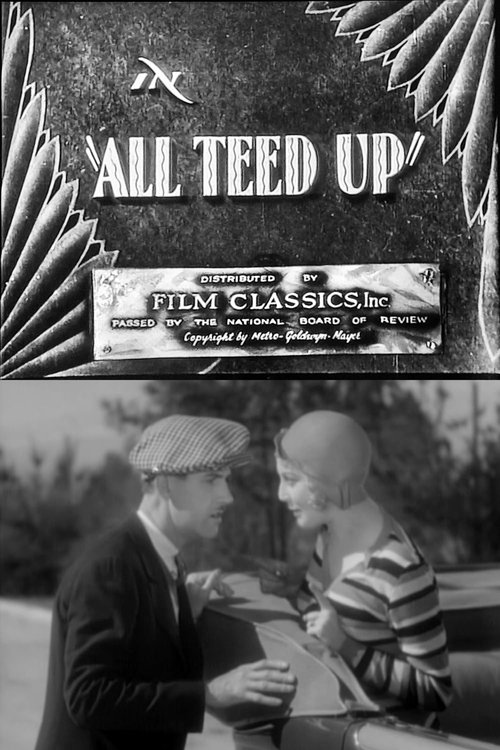
movieAll Teed Up
1930 · ★ 4.8
 movie
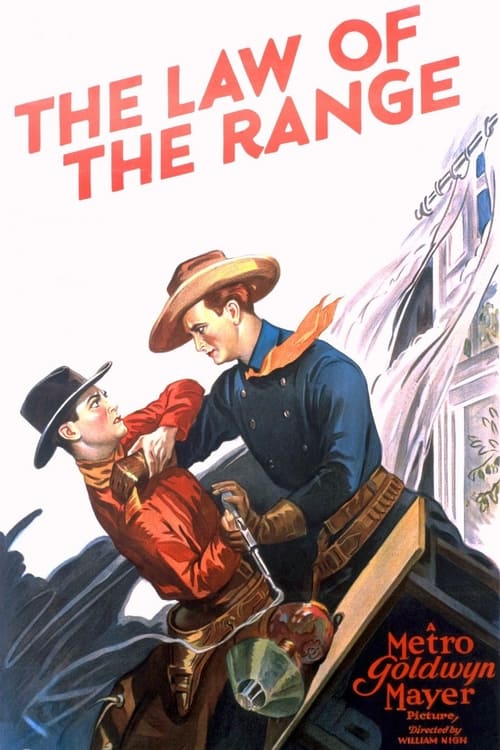
movieThe Law of the Range
1928 · ★ 4.7
 movie
movieLilies of the Field
1930 · ★ 4.2